
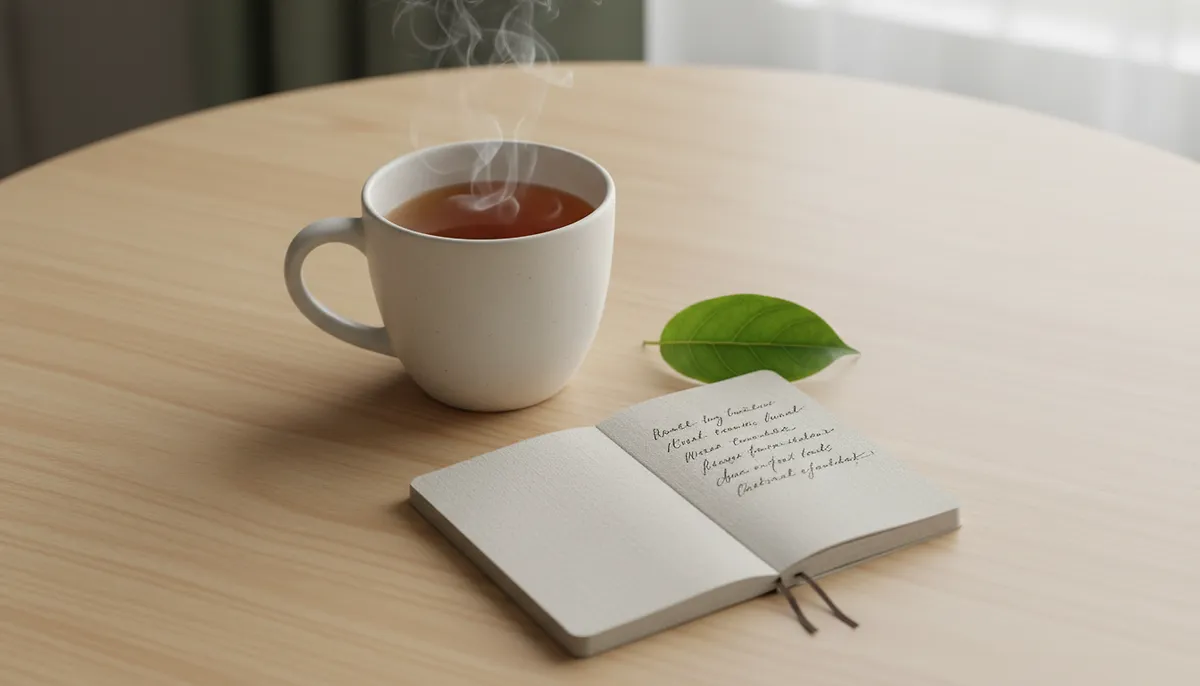
My Guide to Mindfulness Without Formal Meditation
How many times have you told yourself, “I really *should* start meditating”? For me, that number is probably in the thousands. Back in my city-dwelling days, when burnout was my closest companion, the advice was always the same: meditate. So I’d download the apps, buy the cushion, and set the timer. I’d sit in my tiny apartment, trying desperately to “clear my mind” while sirens wailed outside and my to-do list screamed inside. Ten minutes felt like an eternity, and I usually ended up more anxious than when I started, feeling like I had failed at the one thing that was supposed to fix me. It took me years to realize the truth: mindfulness isn’t an exclusive club for people who can sit silently for an hour. It isn’t about emptying your mind at all. It’s about filling your moments with awareness. If you, too, feel intimidated by formal meditation but deeply crave a more present, less frantic existence, this guide is for you. This is my personal approach to weaving mindfulness into the very fabric of everyday life, no cushion required.Redefining Mindfulness: It’s Simpler Than You Think
Let’s start by releasing the pressure. The common image of mindfulness—sitting cross-legged, perfectly still, in a state of blissful emptiness—is just one expression of the practice. It’s a beautiful one, but it’s not the only one. At its core, mindfulness is simply the practice of paying attention to the present moment, on purpose, and without judgment. That’s it. It’s not about stopping your thoughts; it’s about noticing them without getting swept away. Think of it as shifting your brain from autopilot to manual control, even for just a few seconds. Most of our day is spent on autopilot. We rush through breakfast thinking about a meeting, drive to work thinking about dinner, and scroll through our phones while the TV plays in the background. We’re everywhere but *here*. Mindfulness is the gentle act of returning. It’s about noticing the warmth of the sun on your skin, the taste of your tea, the feeling of your feet on the ground. It’s a practice of *being* with your life as it unfolds, rather than constantly planning for, replaying, or worrying about it.Your Morning Routine, Mindfully
One of the easiest entry points for informal mindfulness is to anchor it to a routine you already have. For me, that’s my morning coffee. For years, making coffee was a purely mechanical act—a means to an end. I’d stumble to the kitchen, push a button, and chug the caffeine while simultaneously checking emails. It was a frantic start to an already stressful day. Now, I treat it as a five-minute sensory meditation. And you can do this with anything—making tea, squeezing juice, or preparing oatmeal.- Notice the Sounds: I start by listening. The click of the grinder, the rustle of the beans, the gurgle of the water as it heats up. Instead of background noise, it becomes the main event.
- Engage Your Sense of Smell: When I open the bag of coffee beans, I take a moment to really inhale that rich, earthy scent. I notice it again as the hot water hits the grounds. It’s a powerful anchor to the present.
- Feel the Sensations: I pay attention to the weight of the mug in my hands, its smoothness and warmth. As I take the first sip, I notice the heat and the flavor on my tongue. I try to follow that single sip all the way down.
Mindful Movement: No Yoga Mat Required
When we think of mindful movement, we often picture a yoga class. While yoga is a wonderful practice, you don’t need a mat or a studio to connect with your body. You can practice mindful movement while walking to the mailbox, stretching at your desk, or even washing the dishes. My favorite informal practice is the “conscious walk.” I used to walk everywhere with headphones in, my mind a million miles away. Now, at least once a day, I take a short walk with the sole intention of paying attention. I start by feeling my feet. I notice the sensation of my heel striking the pavement, rolling through the arch, and pushing off with my toes. I feel the gentle sway of my arms. Then, I expand my awareness outward. What do I see? The way the light filters through the leaves, the different shades of green in a neighbor’s garden, a crack in the sidewalk. What do I hear? The distant hum of traffic, birdsong, the rustle of the wind. It’s a full-body experience that pulls me out of my head and into the world around me. This simple act is a reminder that my body is here, in this moment, carrying me through life.
Simple Ways to Engage Your Senses Anywhere, Anytime
Informal mindfulness is about finding small pockets of presence throughout your day. It’s about using your senses as anchors to the here and now. Here are a few of my go-to practices that you can do literally anywhere.The 5-4-3-2-1 Grounding Technique
This is my emergency brake for when my mind is spinning out of control. It’s incredibly simple and effective. Pause wherever you are and silently name:- 5 things you can see: Your computer, a pen, a crack in the wall, a dust bunny, the color of your shirt.
- 4 things you can feel: The texture of your desk, the fabric of your pants, the warmth of your skin, the weight of your body in the chair.
- 3 things you can hear: The hum of the refrigerator, a distant siren, your own breathing.
- 2 things you can smell: Your coffee, the soap on your hands, the rain outside.
- 1 thing you can taste: The lingering taste of toothpaste, a sip of water, or simply the neutral taste of your own mouth.
Mindful Listening
Close your eyes for 30 seconds (or just soften your gaze) and simply listen. Try not to label the sounds as “good” or “bad” (e.g., “annoying construction,” “beautiful birdsong”). Instead, just receive the sounds as pure vibration. Notice the layers—the sounds closest to you, those in the middle distance, and those farthest away. You might be surprised by the complex symphony of your environment that you usually tune out.One Mindful Bite
You don’t have to eat an entire meal mindfully (though it’s a lovely practice!). Just commit to the first bite. Whether it’s an apple, a sandwich, or a piece of chocolate, give that first bite your complete attention. Notice the texture, the flavors as they unfold, the act of chewing and swallowing. It’s a small, delicious moment of presence.How to Handle a Wandering Mind (Because It Will Wander)
Here’s the most important part, and the one thing I wish someone had told me when I first started: your mind *will* wander. It’s what minds do. The goal of mindfulness is not to achieve a perfectly blank slate. That’s impossible and just leads to frustration. When you’re trying to focus on the warmth of your coffee mug and your brain suddenly reminds you of an email you forgot to send, that is not a failure. That is the moment of practice. The *practice* is in the noticing. “Ah, there’s a thought about email.” And then, gently, without judgment or scolding, you guide your attention back to the feeling of the mug in your hands. I like to think of it like training a puppy. You wouldn’t yell at a puppy for wandering off; you’d gently guide it back to where you want it to be. Treat your mind with that same kindness. Every time you notice it has wandered and you gently bring it back, you are strengthening your “mindfulness muscle.” If you find your thoughts are particularly sticky or repetitive, you might find it helpful to explore a gentle guide to quieting your mind, which offers specific strategies for those moments when thoughts feel overwhelming.For so long, I believed that finding calm required a huge, life-altering commitment—an hour a day on a meditation cushion that I just didn’t have. But as I, Elara Finch, learned on my journey from burnout to balance, the real magic is found in the small, quiet moments that are already here, waiting for our attention. It’s in the first sip of coffee, the feeling of the breeze on a walk, and the gentle act of returning to the present moment, again and again. These informal practices aren’t a replacement for formal meditation if that’s a practice you love. But for those of us who have struggled with it, they are a doorway. They are proof that you can cultivate a more mindful, peaceful, and present life, one ordinary, beautiful moment at a time. With warmth, Elara